How Do You Choose the Right Gas Mixture for Your Process?
- Vipin Singh
- Sep 11, 2025
- 2 min read

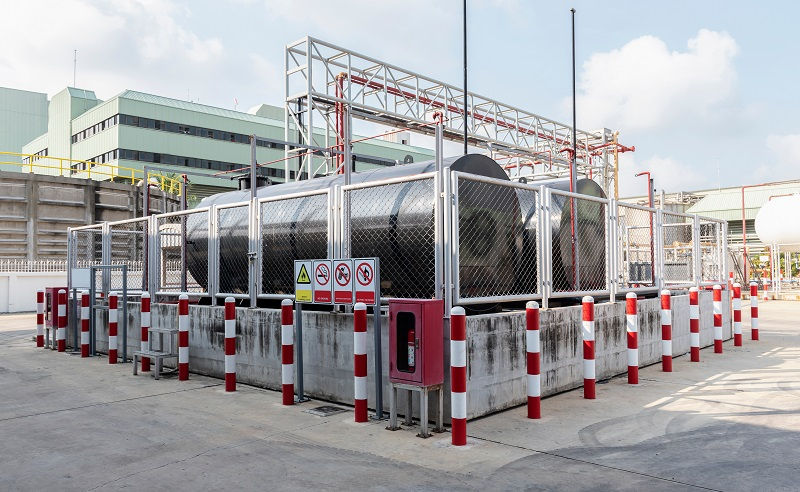
The right blend keeps everything steady; the wrong one can unravel hours, even months, of work.
Gases aren’t just invisible fillers in a tank. They shape outcomes. They decide whether a weld holds or cracks, whether a product lasts or spoils, whether research data comes out sharp or muddy. Picking the right mixture isn’t a luxury, it’s the core of the process. In industries that rely on specialty gases, those decisions carry even more weight.
And yet, the choices can feel overwhelming. Oxygen-rich blends, inert shields, trace-calibrated mixtures. One tweak, one percent off, and the whole system shifts.
Start with the Work, Not the Gas
Every process whispers its own demands. Welding needs protection. Food packaging craves freshness. Analytical labs demand precision so fine it borders on obsession.
1. A welder might reach for argon mixed with CO₂.
2. A brewer may look to nitrogen to keep a pour creamy.
3. A scientist leans on custom-calibrated blends that measure down to fractions.
Purity, The Silent Variable
A tiny impurity can act like sand in a clock. The process keeps moving, but everything runs rough. In high-tech applications, even a shadow of contamination ruins results. Semiconductors don’t forgive. Medical testing doesn’t either.
But not every process needs that level of refinement. Sometimes industrial grade works just fine. Spend where it matters, save where it doesn’t.
Safety Isn’t a Side Note
Some gases burn. Others choke out oxygen without warning. A few corrode the very tools meant to hold them. Every mixture comes with a personality, and ignoring it can turn costly, or dangerous.
So, ask:
● How does it behave under heat?
● Does it need special storage or regulators?
● What happens if it leaks into a closed room?
The Cost vs. Performance Dance
Helium sings beautifully in certain processes. But it’s rare. Pricey. Argon steps in as the practical cousin, cheaper, good enough, and widely available.
Sometimes the “perfect” gas is too perfect for the budget. And what’s the point of flawless performance if it sinks the project? The art lies in balance.
Custom Blends, Tailor Instead of Borrow
There are moments when no off-the-shelf cylinder does the job. Custom mixtures step in here. Precision-crafted ratios, consistent from one cylinder to the next, eliminate variability.
Industries like electronics and environmental monitoring rely on this. The margin for error is too slim to gamble with generic.
So, Here is A Simple Framework
When choosing, walk through it step by step. Start by defining the task, then match the purity level to the stakes. Weigh the risks that come with storage, transport, and handling.
Balance dream performance against cold cost. And when nothing else fits, consider custom blends.
This sequence doesn’t remove complexity, but it clears the fog.
Conclusion
Choosing a gas mixture is like tuning an instrument. The right note keeps the process in harmony; the wrong one throws the whole thing off-key. Companies such as SOS Gases Inc. work in that space every day, reminding us it isn’t about the fanciest or most expensive option. It’s about alignment, process, people, and purpose pulling in the same direction.


