5 Differences Between Professional and Consumer Leather Tools
- Vipin Singh
- Oct 21, 2025
- 2 min read

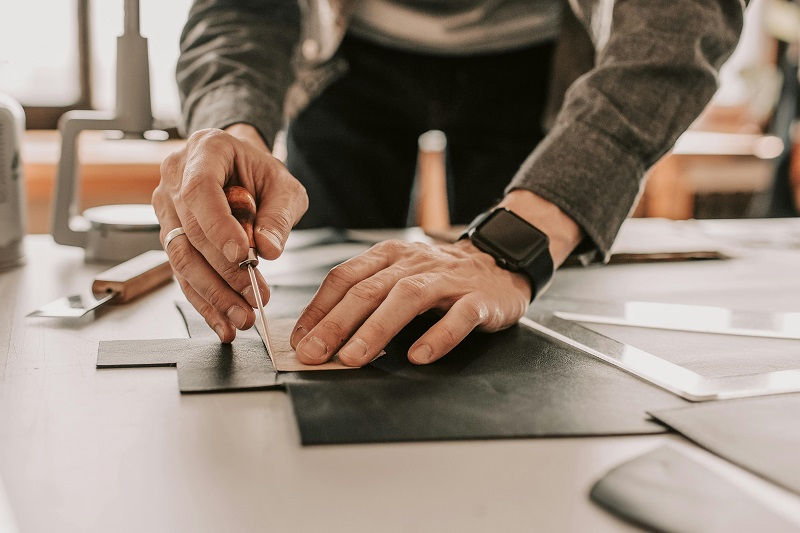
At first glance, it seems simple, but one choice can define years of success or silent failure.
Leatherwork looks calm from a distance. A quiet craft, measured, patient, rhythmic. But behind that smooth finish lies a battle of precision, and the tools are the soldiers. Among them, Fastening Tools decide whether the work holds firm or falls apart. So which side of the line are your tools on?
Precision vs. Convenience
Consumer leather tools are built for accessibility. Easy to handle, forgiving, often made for hobbyists learning the ropes. They work well enough, until precision becomes non-negotiable.
Professional tools, on the other hand, are all about control. They slice straighter, punch cleaner, and measure tighter. Every millimeter matters when you’re making belts that need to align perfectly or saddles that must endure years of use.
It’s not just sharper blades. It’s sharper intent.
Material Strength and Endurance
Pick up a consumer tool. It might feel light, maybe a little hollow. Use it long enough, and fatigue creeps in, the metal dulls, edges warp, handles loosen.
Professional tools are different creatures.
1. Forged from high-carbon steel or hardened alloys.
2. Handles wrapped in wood or reinforced polymer.
3. Built to survive years of pressure and motion.
You don’t just buy them, you invest in them. They age alongside your skill.
Ergonomics, Comfort Earned Through Design
Consumer tools often favor aesthetics or affordability over form. They look fine on a shelf but start biting back after an hour of work. Blisters. Strain. Awkward angles.
A professional tool feels different. The handle molds to the palm. The weight balances. The motion feels natural, almost intuitive. That’s not luxury, it’s efficiency. When you work leather eight hours a day, comfort isn’t optional. It’s survival.
Adjustability and Custom Work
In consumer-grade kits, what you see is what you get. The punches, the blades, the needles, fixed and standardized. Fine for beginners. Limiting for artisans.
Professionals demand tools that adapt. Adjustable pricking irons. Replaceable blades. Interchangeable tips. Fastening tools that handle different densities of hide.
Customization turns a good tool into a personal instrument. It’s why seasoned leatherworkers often guard their sets like musicians guard their instruments.
Finish and the Fine Details
A pro tool doesn’t just perform better, it feels better. The edge polish, the knurled grip, the tight assembly, these subtle details reduce error and boost speed.
Consumer tools are mass-produced to hit a price point. Professional tools are crafted to hit perfection. One is designed to sell easily; the other is designed to work endlessly.
The Real Difference?
At first glance, they might look similar. A punch is a punch. A cutter is a cutter. But the difference reveals itself over time, in consistency, in comfort, in confidence. Tools like C.S. Osborne Leather Tools aren’t just made to start, you feel them push you to improve.
Consumer tools invite you to start. Professional tools challenge you to improve. And when a craft becomes a calling, that challenge is exactly what you need.


